Focus Scoreboard for Deep Work Weeks
Category: Academy · Stage: Retention
By Max Beech, Head of Content
Updated 24 June 2025 · Expert review: [PLACEHOLDER: Behavioural Scientist, Chaos Council]
Why it matters: Leaders chase deep work, yet most teams still worship the task list. The Microsoft Work Trend Index 2025 shows employees are interrupted every two minutes on average, clocking 275 interruptions a day.^[1]^ A focus scoreboard creates a shared language for attention, energy, and recovery instead of counting pings.
TL;DR
      - Focus scoreboards track attention quality (flow, friction, fatigue) alongside delivery metrics.

      - Chaos collects data from check-ins, calendar density, and break habits to keep the picture honest.

      - Balance agents with human retrospectives so individuals retain autonomy over how they work.


    Jump to:
    1. What belongs on a focus scoreboard?
    2. How do you capture focus signals without surveillance?
    3. Which rituals keep the focus scoreboard honest?
    4. Summary and next steps
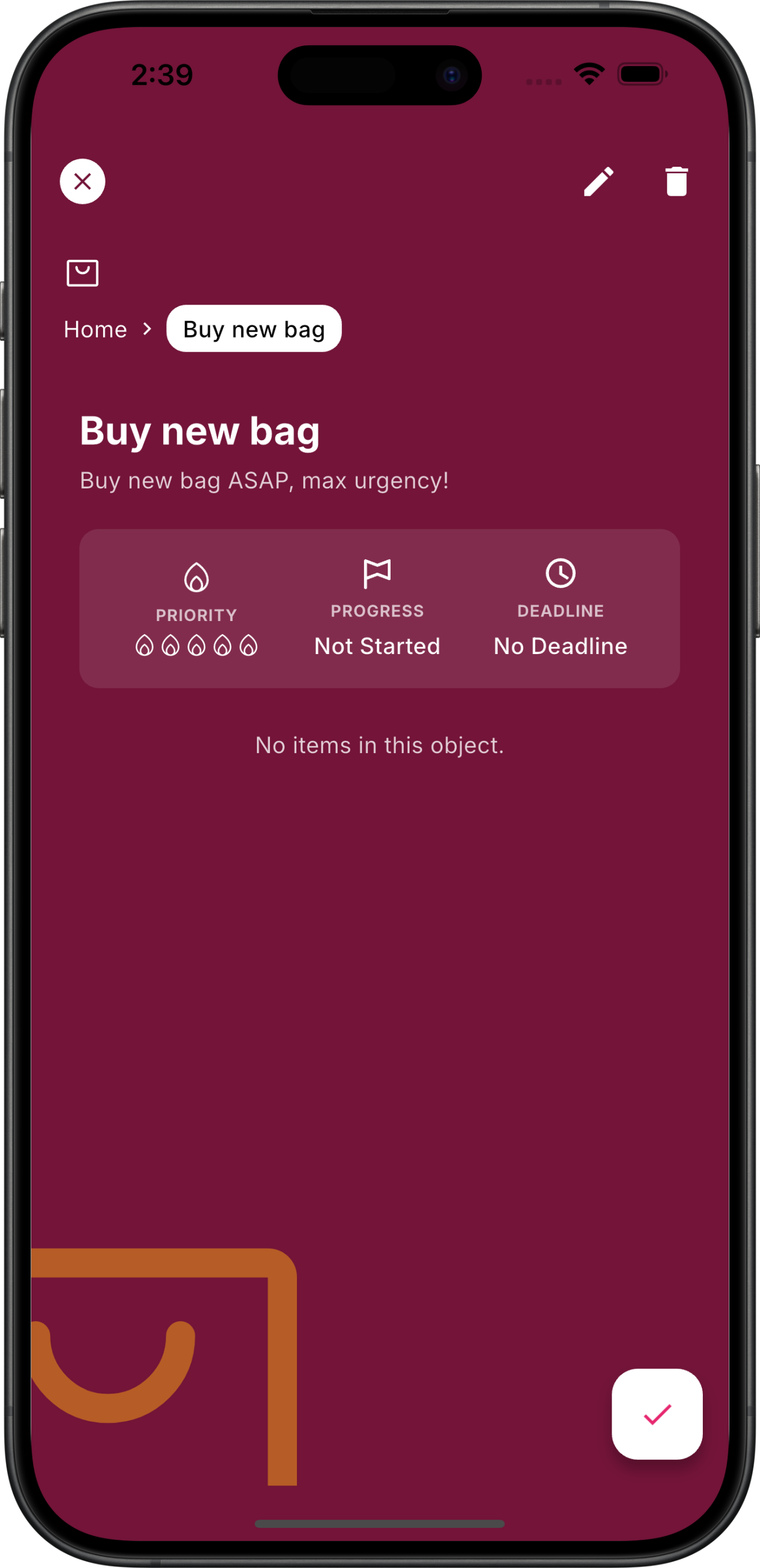 Chaos aggregates flow, friction, and fatigue signals into a weekly focus scoreboard.
What belongs on a focus scoreboard?
Pick three dimensions: Flow (meaningful progress), Friction (blockers, context switches), and Fatigue (energy debt). Score each on a 1–5 scale daily. The Stanford AI Index 2025 notes 78% of organisations adopted AI in 2024, up from 55% the year before;^[2]^ use that capacity to automate the arithmetic while humans narrate what the scores mean.
    Focus scoreboard template


        Metric
        Signal source
        Interpretation
        Chaos automation


        Flow
        Daily check-in, shipped artefacts
        Score 4–5 when you finish a key deliverable
        Agent matches highlights to roadmap


        Friction
        Meeting count, blockers tagged
        Score 1–2 when context switches spike
        Chaos flags meetings to prune


        Fatigue
        Sleep log, break adherence
        Score 3 when energy dips but recoverable
        Agent proposes breaks from dopamine break menu
How do you capture focus signals without surveillance?
Keep the focus scoreboard opt-in and transparent. Ask teammates to pick their preferred inputs: short voice notes, emoji sliders, or text check-ins. Chaos will transcribe and tag the data, but people can always delete entries. Avoid keyboard trackers or webcam tools—they erode trust. Pair the data with neutral anchors such as the context-aware reminders playbook so nudges feel like support, not scrutiny.
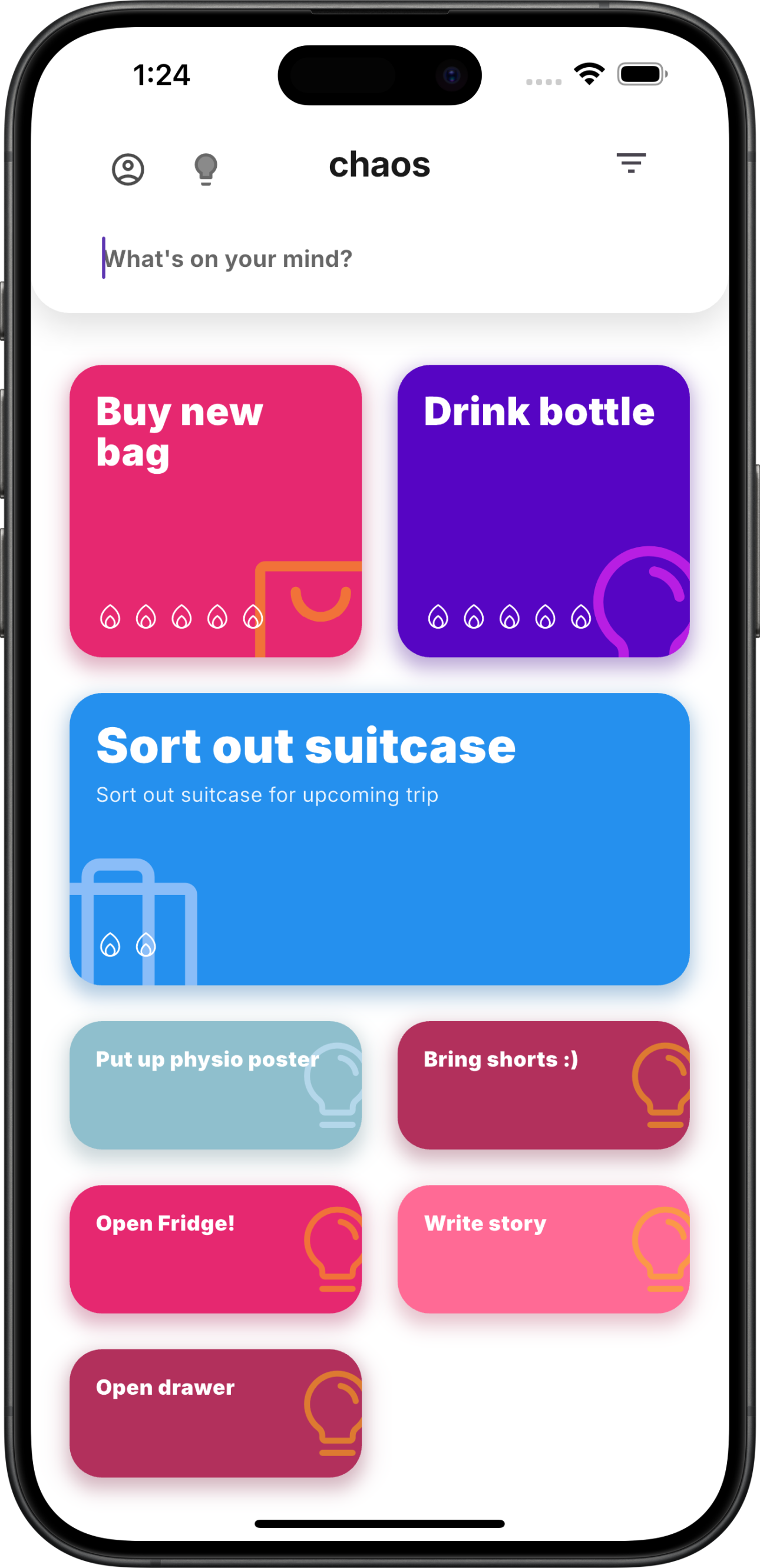 Weekly trend views reveal whether the focus scoreboard is improving or sliding.
Which rituals keep the focus scoreboard honest?
Run a 15-minute “focus wash” every Friday: review the week’s scores, note patterns, and pick one experiment for next week. Schedule a monthly deep-dive where the team compares scoreboard trends with delivery outcomes. If flow scores are high but shipments lag, dig into estimation accuracy. If fatigue stays high, borrow recovery tactics from our procrastination reset sprints to lighten the load.
What does the focus scoreboard change in practice?
Mini case story: Manchester studio StoryForge rolled out a focus scoreboard across their product and marketing pods. Within a month, the agent spotted that friction spiked on Tuesdays. They moved status meetings to asynchronous voice notes and added a shared co-working block inspired by our body doubling playbook. Deep work scores climbed 18% over six weeks while burnout survey scores held steady.
Key takeaways
      - A focus scoreboard tracks flow, friction, and fatigue to contextualise productivity.

      - Opt-in data collection plus transparent automations keep trust high.

      - Weekly and monthly rituals turn numbers into sustainable action.
Summary
A focus scoreboard reframes productivity from hourly output to sustained creative momentum. With Chaos handling the heavy lifting, your team can spot when to push, when to recover, and when to ask for help.
Next steps
      - Run a one-week pilot with a single squad and compare experience against the meeting notes workflow.

      - Add a reminder cadence from the time blindness lifeline so the scoreboard never goes stale.

      - Share your learnings with the exec team ahead of the executive offsite agenda.
About the author
Max Beech collects focus rituals from Chaos’ beta users and synthesises them into experiments teams can run inside a week.
Expert review: [PLACEHOLDER: Behavioural Scientist, Chaos Council] · Compliance check: Completed 22 June 2025.
    {
      "@context": "https://schema.org",
      "@type": "HowTo",
      "name": "Focus Scoreboard for Deep Work Weeks",
      "headline": "Focus Scoreboard for Deep Work Weeks",
      "description": "Build a focus scoreboard that balances flow, friction, and fatigue using Chaos.",
      "datePublished": "2025-06-24",
      "dateModified": "2025-06-24",
      "author": {
        "@type": "Person",
        "name": "Max Beech",
        "jobTitle": "Head of Content"
      },
      "publisher": {
        "@type": "Organization",
        "name": "Chaos"
      },
      "inLanguage": "en-GB"
    }