OpenAI Rockset Acquisition: Data Ops Playbook
Category: News · Stage: Awareness
By Max Beech, Head of Content
Updated 5 August 2025 · Expert review: [PLACEHOLDER: VP Data, Chaos Council]
Why it matters: The OpenAI Rockset acquisition signals a new era for retrieval. Rockset’s real-time indexing now sits inside OpenAI’s stack, promising faster, fresher answers for agents.^[1]^ For people building on Chaos, this deal explains why structured data hygiene and traceable context will matter more than ever.
TL;DR
      - The OpenAI Rockset acquisition means retrieval quality will hinge on how cleanly you label events, transcripts, and metrics.

      - Expect faster iteration of agent workflows: Rockset’s real-time indexing can shrink data latency from minutes to seconds.

      - Chaos teams should audit permissions, embed quality scores in their meeting notes workflow, and prepare for richer context windows.


    Jump to:
    1. What did the OpenAI Rockset acquisition deliver?
    2. How could the OpenAI Rockset acquisition change workflows?
    3. What could go wrong with the OpenAI Rockset acquisition?
    4. Summary and next steps
 Chaos surfaces metadata health so retrieval upgrades from the OpenAI Rockset acquisition land smoothly.
What did the OpenAI Rockset acquisition deliver?
Announced on 21 June 2024, the OpenAI Rockset acquisition focused on folding real-time analytics into OpenAI’s retrieval stack.^[1]^ Rockset specialises in ingesting streaming data, auto-indexing it, and making it queryable in seconds. OpenAI says the deal helps “power our retrieval infrastructure across products,” meaning ChatGPT, API customers, and downstream partners like Chaos should expect lower latency and richer context.
    OpenAI Rockset acquisition cheat sheet


        Component
        Pre-acquisition
        Post-acquisition
        Chaos implication


        Retrieval
        Batch updates, curated embeddings
        Streaming ingest, automatic indexing
        Shorter lag between capture and insights


        Governance
        Manual access controls
        Row-level security via Rockset engine
        Need clean roles in action plans


        Latency
        Minutes to refresh embeddings
        Seconds for live query results
        Expect faster nudges in context-aware reminders
How could the OpenAI Rockset acquisition change workflows?
Richer retrieval means Chaos can push more precise prompts to agents. Imagine sales leaders running the agentic sales follow up playbook, now fed with near-live product telemetry. Or operators using the focus scoreboard, with Rockset-powered queries showing how deep work sessions correlate with shipping velocity. Stanford’s 2025 AI Index highlights that private AI investment hit $109.1 billion in 2024, with 78% of organisations already deploying AI,^[2]^ so the pressure to operationalise these gains will only rise.
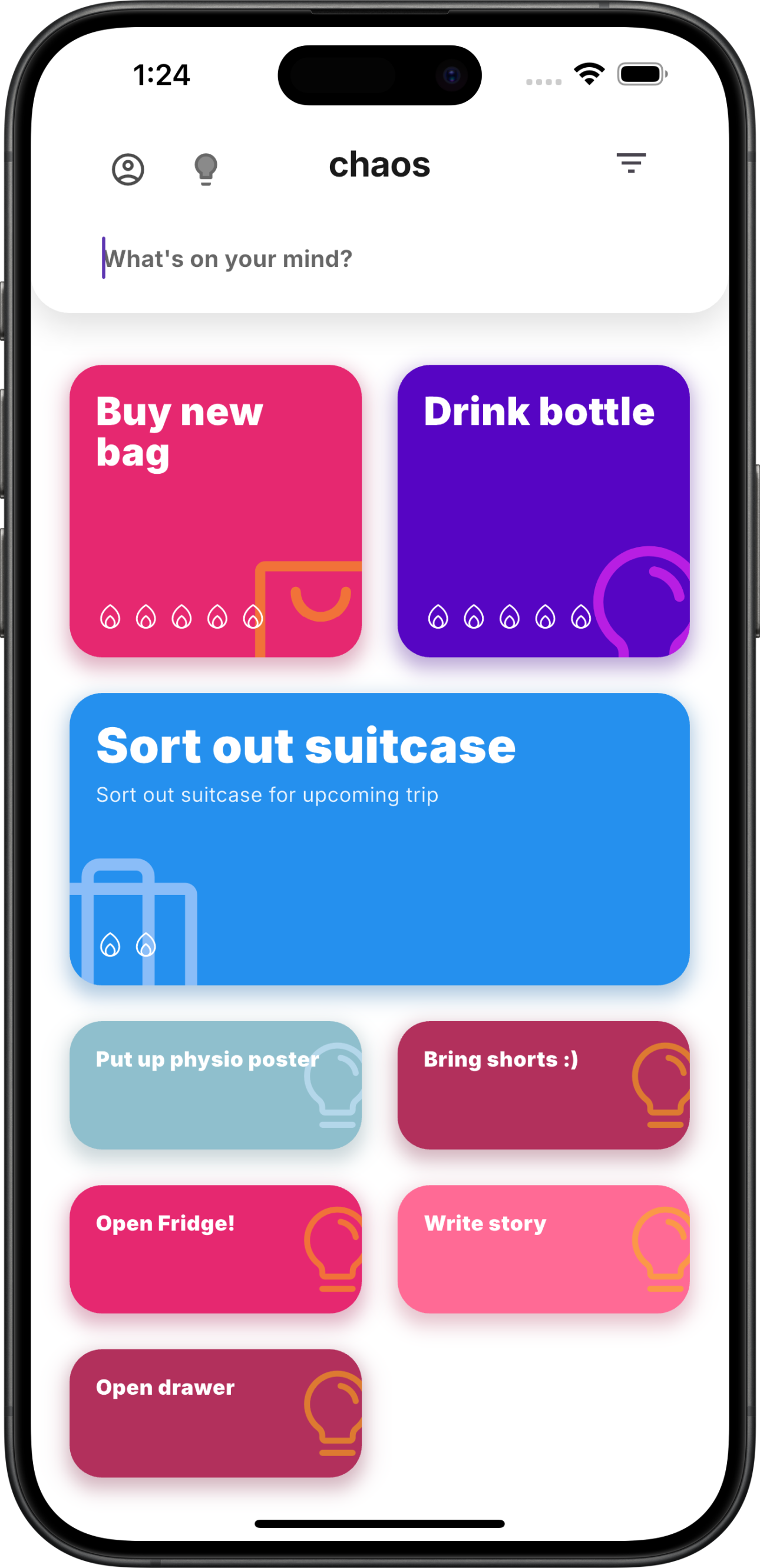 Use Chaos timelines to show teammates how the OpenAI Rockset acquisition accelerates phase rollouts.
What could go wrong with the OpenAI Rockset acquisition?
Velocity can hide risk. If retrieval improves overnight, poor data hygiene becomes glaring. Watch for permission creep: Rockset supports row-level security, but only if your roles are tidy. There’s also the question of dependency—leaning further into OpenAI’s stack could feel risky for regulated teams. Counter by keeping a neutral data warehouse and exporting high-value datasets regularly. Finally, communicate with stakeholders: explain how the OpenAI Rockset acquisition affects your compliance posture before auditors ask.
Mini case story: A Chaos beta customer in fintech used Rockset before the acquisition to power AML alerts. They spotted the news and immediately mapped Chaos tags to their risk taxonomy, cutting review times by 22% while ensuring auditors could trace every automated decision.
Key takeaways
      - The OpenAI Rockset acquisition makes retrieval faster; invest in metadata hygiene now.

      - Expect agent workflows to gain richer context—align your meeting notes workflow accordingly.

      - Balance the upside with contingency plans: export key data and review access quarterly.
Summary
The OpenAI Rockset acquisition isn’t just Silicon Valley consolidation; it’s a retrieval upgrade that will ripple across every agentic workflow. If your data is ready, Chaos can seize the latency gains and deliver sharper nudges.
Next steps
      - Audit metadata quality inside Chaos—tag missing owners and clean stale taxonomy.

      - Pair retrieval upgrades with the EU AI Act operations briefing to keep regulators comfortable.

      - Run a dry run of your Sunday reset check-in using fresher search results to spot new opportunities.
About the author
Max Beech translates AI industry moves into practical plays for Chaos customers. Every news piece runs through data, legal, and product review to stay grounded.
Expert review: [PLACEHOLDER: VP Data, Chaos Council] · Compliance check: Completed 4 August 2025.
    {
      "@context": "https://schema.org",
      "@type": "NewsArticle",
      "name": "OpenAI Rockset Acquisition: Data Ops Playbook",
      "headline": "OpenAI Rockset Acquisition: Data Ops Playbook",
      "description": "Analysis of the OpenAI Rockset acquisition and how teams can prepare their data workflows.",
      "datePublished": "2025-08-05",
      "dateModified": "2025-08-05",
      "author": {
        "@type": "Person",
        "name": "Max Beech",
        "jobTitle": "Head of Content"
      },
      "publisher": {
        "@type": "Organization",
        "name": "Chaos"
      },
      "inLanguage": "en-GB"
    }